

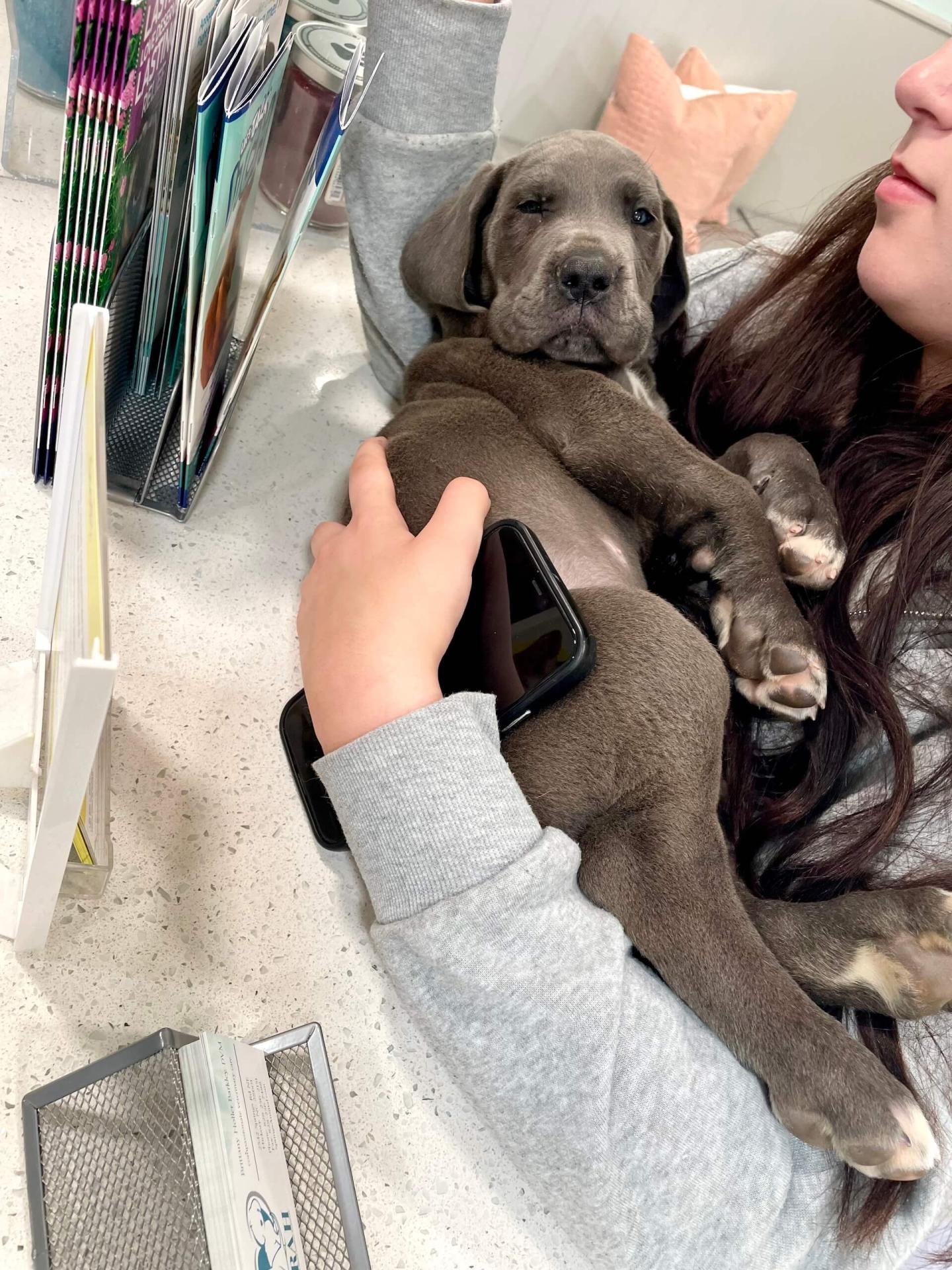
 Bringing home a puppy is an exciting and joyous event. But it may also be a bit overwhelming, especially if you’re a first-time pet owner. Puppies require a lot of care, and starting them off on the right paw is important. At Springs Road Animal Hospital, we understand the importance of giving your puppy the best start in life, and we’re here to help make sure that happens. In this article, we cover the essential topics of puppy care, including the importance of an early visit to the vet, common health problems, signs of a healthy puppy, and when to start training. We hope this article will help you care for your puppy and ensure you can give your pup the best life possible. If you are located in or near Hickory, NC and need help caring for your puppy, please contact us at (828) 256-2151 to schedule an appointment.
How Soon Should I Bring My Puppy In to See a Veterinarian for Their First Exam?
The first step in providing proper puppy care is scheduling an appointment with your veterinarian as soon as possible. You should do this within the first week of bringing your pup home. The sooner you bring your pup in for an exam, the sooner you’ll learn more about their overall health and needs. Your veterinarian can also diagnose health issues that could be problematic in the future.
When preparing for the appointment, make sure to bring any vaccination records from the breeder, shelter, or rescue organization, as well as any information about deworming treatments. Bring a fresh stool sample for testing worms, and provide information on the brand and formula of food you’re feeding your pup.
At the vet’s office, expect to fill out some paperwork. Then, your veterinarian will perform a physical examination where they will check your pup’s eyes, ears, teeth, skin, abdomen, heart, lungs and joints. They may also check for breed-specific conditions and give advice on common health issues pertinent to your pet’s breed. Make sure to ask any questions you have and raise any concerns you may have.
What is the proper way to feed my puppy?
First of all, with an adult dog, you can feed them once or twice a day, and that's fine. With puppies, they're going to need to be fed three to four times a day, depending on the breed and age of the puppy.
For smaller toy breeds, you're going to want to feed them four times a day if you can, especially if they're under the age of 12 weeks. Once they get to about 16 weeks, you can cut that back to two or three times a day as long as their blood sugar levels have remained stable.
How should I potty train my puppy?
With puppies, you're going to want to take them outside or allow them to eliminate more frequently, whereas adult dogs can hold it for a longer period of time.
How can I make sure my puppy is safe from parasites and viruses?
With puppies, it's important to pay attention to whether they're exposed to infectious diseases or parasites because they're more susceptible than adult dogs. We want to take extra care if we are in an area that has a high likelihood of those, such as doggy parks and places where dogs may or may not be vaccinated. Talk to your vet about care, and they can help you with that.
At what age should I wean my puppy? At what age should I start socializing my puppy?
Most dams will begin the process of weaning around six weeks of age, but they continue to teach social rules for the next several weeks. Ideally, a puppy would stay with its dam until it's 8 to 10 weeks of age before being separated. In some cases, they can be separated a little earlier. If that's the case, the adoptive family would need to do more training.
It's important to note that puppies are in the period of socialization between the 8 to 16 week mark. However, they are also still susceptible to diseases. Usually, we recommend that you have puppy playdates with other healthy dogs that have been vaccinated and are free of disease. You can also get them used to car rides and have them around people of various heights, smaller children, and different groups of people during that age period.
What vaccinations does my puppy need?
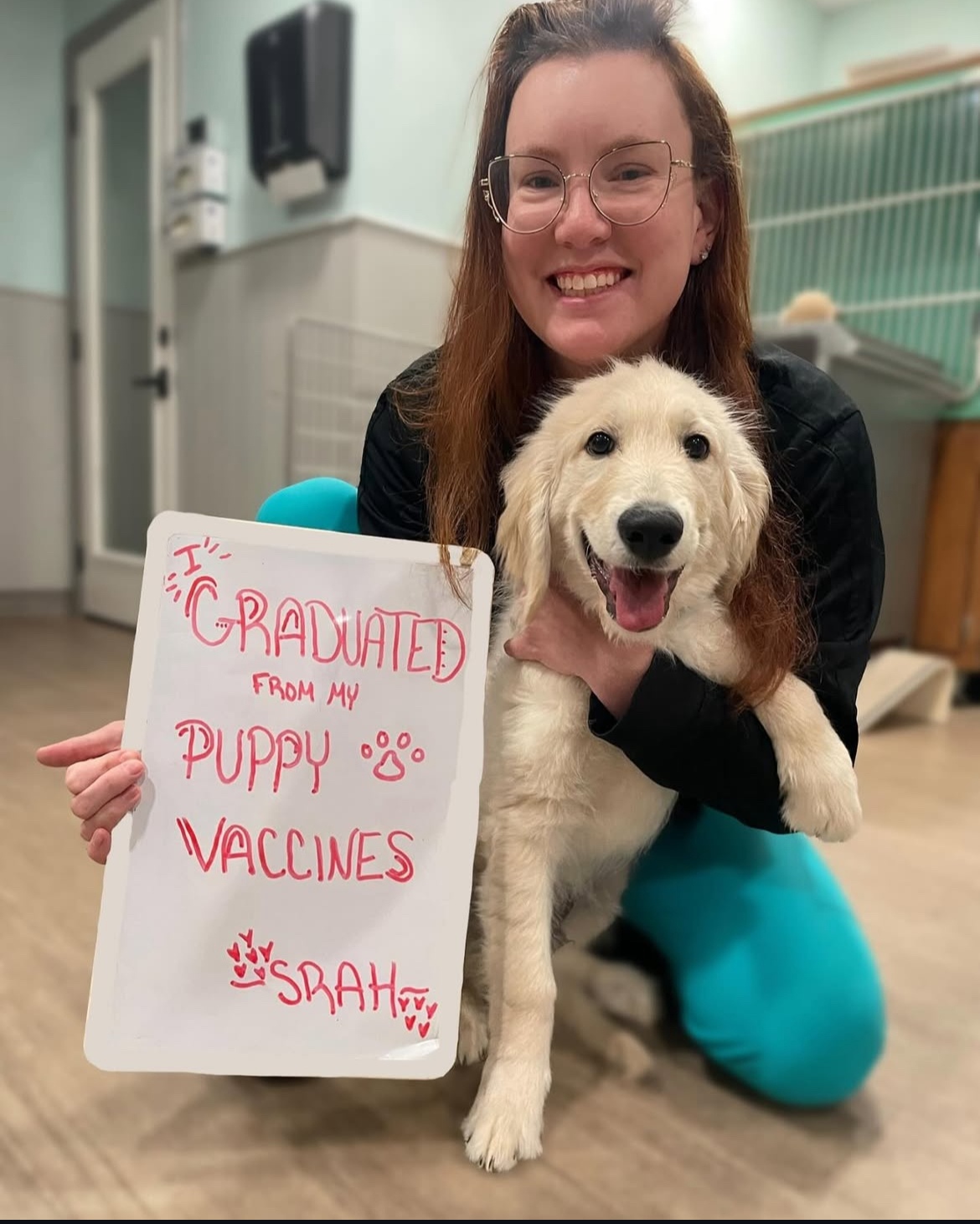 It's important to make sure that your puppy is vaccinated against distemper, parvo, adenovirus, and parainfluenza. That is the DHPP vaccine, which is administered in a series of three to four vaccines every three weeks or so until they are at least 16 to 18 weeks of age.
Recently, the lepto vaccine was recommended for all puppies. Lepto is a virus that can be transmitted by wildlife, and people can be exposed to it if their pet gets sick.
Other important vaccines include bordetella or parainfluenza, which we recommend for any dogs that will go on walks, go to doggy daycare, be boarded, or groomed. That one needs to be given after about 9 weeks and then either every six or 12 months, depending on the type of vaccine.
Rabies is required by law in the state of North Carolina for all puppies 16 weeks of age or older, and this vaccine must be continued lifelong, regardless of exposure risk. Other vaccines may be recommended based on your puppy's exposure, such as the canine influenza vaccine if your pet boards or is groomed, and the Lyme vaccine if you live on land with lots of woods, go hiking, or your pet is otherwise potentially exposed to ticks.
We recommend that all healthy puppies visit the vet every two to three weeks until they're about 16 weeks of age. Once they've received their puppy series of boosters, we spread it out more to every 6 to 12 months. You can talk to your vet about any specific concerns you have with your puppy.
What is a good diet for my puppy to ensure they are getting adequate nutrition?
It's important to feed your puppy a high-quality diet. The ones we typically recommend are Purina, Hill's Science Diet, or Royal Canin. These are good brands of dog food that have stood the test of time. If your puppy has specific dietary intolerances or food allergies, your veterinarian may recommend something different. I would work specifically with your veterinarian if you have any specific concerns.
We recommend that dogs be given puppy food until they are finished growing, which is generally for the first 12 to 18 months, unless your veterinarian advises otherwise due to weight gain or other factors. You can determine if your pet is a healthy weight by talking to your veterinarian. We recommend that dogs have a slight tuck behind their rib cage so that you can see their waist. They may look a little awkward while growing, but they should maintain that appearance. You want them to have muscle mass that you can feel as well.
At what age should I spay or neuter my puppy?
We recommend that puppies be spayed or neutered between 6 and 12 months of age. There's a benefit to spaying female dogs. If they have one heat cycle, their likelihood of developing mammary tumors is slightly increased, but if they have more than one heat cycle, the risk rises. If you spay them before then, you decrease their risk of mammary tumors.
With male dogs, we recommend neutering because if you neuter them before they're a year old, you're less likely to deal with issues like marking, inappropriate marking, and escaping to try and reach intact females in the neighborhood. In these respects, they'll be healthier. There is some benefit to waiting until large breed dogs are fully grown, as that may prevent certain cancers. You can talk to your veterinarian about what would be best for your pet in your situation.
What are common health issues for puppies?
Common health issues we regularly encounter in puppies include intestinal parasites, which are very common. You may notice diarrhea or worms, but your vet can diagnose an infection by examining a sample under a microscope or sending it for a PCR test. Once diagnosed, it is very easily treated. Infectious diseases like parvo are prevalent in puppies in certain areas. Unfortunately, in North Carolina, we see quite a bit of parvo. It manifests as lethargy, vomiting, and diarrhea. If you notice these symptoms in your puppy, I definitely recommend that you take them to your veterinarian for testing and appropriate treatment.
What Are Some Signs and Symptoms of Illness in Puppies?
It’s important to be aware of the signs and symptoms of illness in puppies in order to provide timely medical care when needed.
Some common signs and symptoms include:
- Lethargy
- Dull coat
- Skin changes
- Changes in appetite
- Ear problems
- Diarrhea
- Vomiting
- Respiratory problems
- Behavior changes
- Joint stiffness
- Swollen gums
- Excessive thirst
- Runny nose or eyes
- Trouble urinating or defecating
What if my puppy is vomiting or has diarrhea?
If your puppy has diarrhea or is vomiting, definitely talk to your veterinarian. Your veterinarian may recommend testing to rule out things like intestinal parasites and infectious diseases such as parvo. Because puppies are small, especially small breed dogs, it's important to have them seen sooner rather than later to prevent dehydration or other issues for something potentially easily treated.
.jpg)
What Will My Vet Be Looking for When First Examining My Puppy?
At your puppy’s first veterinary appointment, your vet will perform a comprehensive physical examination. This exam includes an observation of the puppy’s overall body condition and checking the eyes, ears, and nose for redness, discharge, debris, or abnormalities. Your vet will also check your puppy’s mouth and teeth for tartar buildup, gum issues, retained baby teeth, broken teeth, and oral growths. They will evaluate the heart and lungs to check for abnormal rate or rhythm and other issues. Plus, your veterinarian will palpate the abdomen to search for abnormalities in the stomach, spleen, liver, kidneys, intestines and bladder.
Your vet will also suggest vaccinations, heartworm prevention, and routine deworming to prevent life-threatening diseases. Regular wellness exams should be conducted every 6 months to a year, depending on the pet’s breed, age, lifestyle and overall health.
How much exercise should my puppy get?
With puppies, it is important to allow them to exercise. We recommend that they self-limit activities. We don't recommend extended runs until they're fully grown because their bones are still developing. To avoid health issues like OCD lesions, let your pet run around, but avoid asphalt, concrete, or hard surfaces.
When Should I Start Training My Puppy?
Start training your puppy as soon as you bring them home, teaching them basic commands like sit, stay, come, and down. Use positive reinforcement, keep training sessions short (5-10 minutes), and always end on a positive note. Puppies should also be exposed to various environments, activities, and people to help them become more familiar with the world around them. Proper socialization is especially important for service dogs to ensure that they can handle the pressures of the job.
Basic training for service dogs usually starts around 8 weeks, while more advanced training is delayed until around 6 months. This allows puppies to mature physically and emotionally before beginning more intensive training.
Puppy Care at Springs Road Animal Hospital
Providing your puppy with proper care is key to their long-term health and well-being. From scheduling the first veterinary appointment to providing regular socialization and training, there are many steps you can take to ensure that your pup gets the best start in life. At Springs Road Animal Hospital, we understand how important it is to provide your puppy with quality care, and we’re here to help make sure that happens. Please contact us at (828) 256-2151 or [email protected] today if you have any questions or would like to schedule an appointment for your puppy.